Excavation and Tank Lifts for Campbellville Builds
Excavation and heavy-lift tank work on conservation-constrained Campbellville rural lots where access, setbacks, and pads all fight for space.
By Neutrino Construction ·
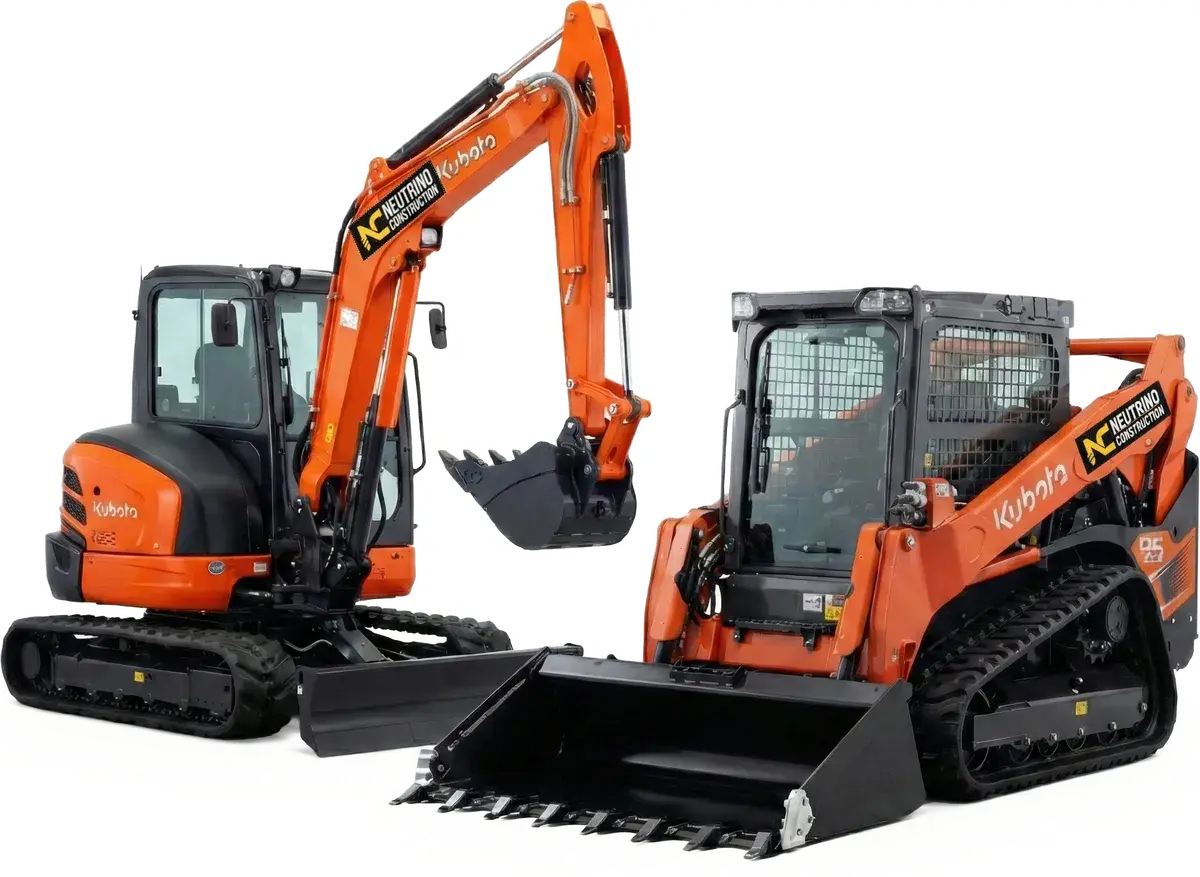
Rural builds here are a geometry problem first
A new home or major addition in Campbellville rarely starts with a blank, flat field. Escarpment slopes, conservation setbacks, tree protection, long lanes, and private well and septic envelopes turn the lot into a chessboard. Excavation has to respect that board. Heavy-lift tank work has to land septic tanks, cisterns, or treatment vessels without taking out the only access you have for the rest of the build.
On build day, the question is how to dig and set heavy pieces without violating setbacks or turning the only access into a mud bog for every delivery truck after you.
Access + setbacks
Typical constraint
Pads / pits
Civil work
Tanks / vessels
Lift work
Before the first bucket on a rural build
Rural Campbellville builds need approved building and septic envelopes, well location, overhead wires along the lane, soft shoulders that will fail under a loaded truck, and a read on whether rock will appear in the footing or tank excavation. Conservation Halton or NEC-related conditions can limit stockpile locations and tree injury. Those are method constraints, not paperwork trivia.
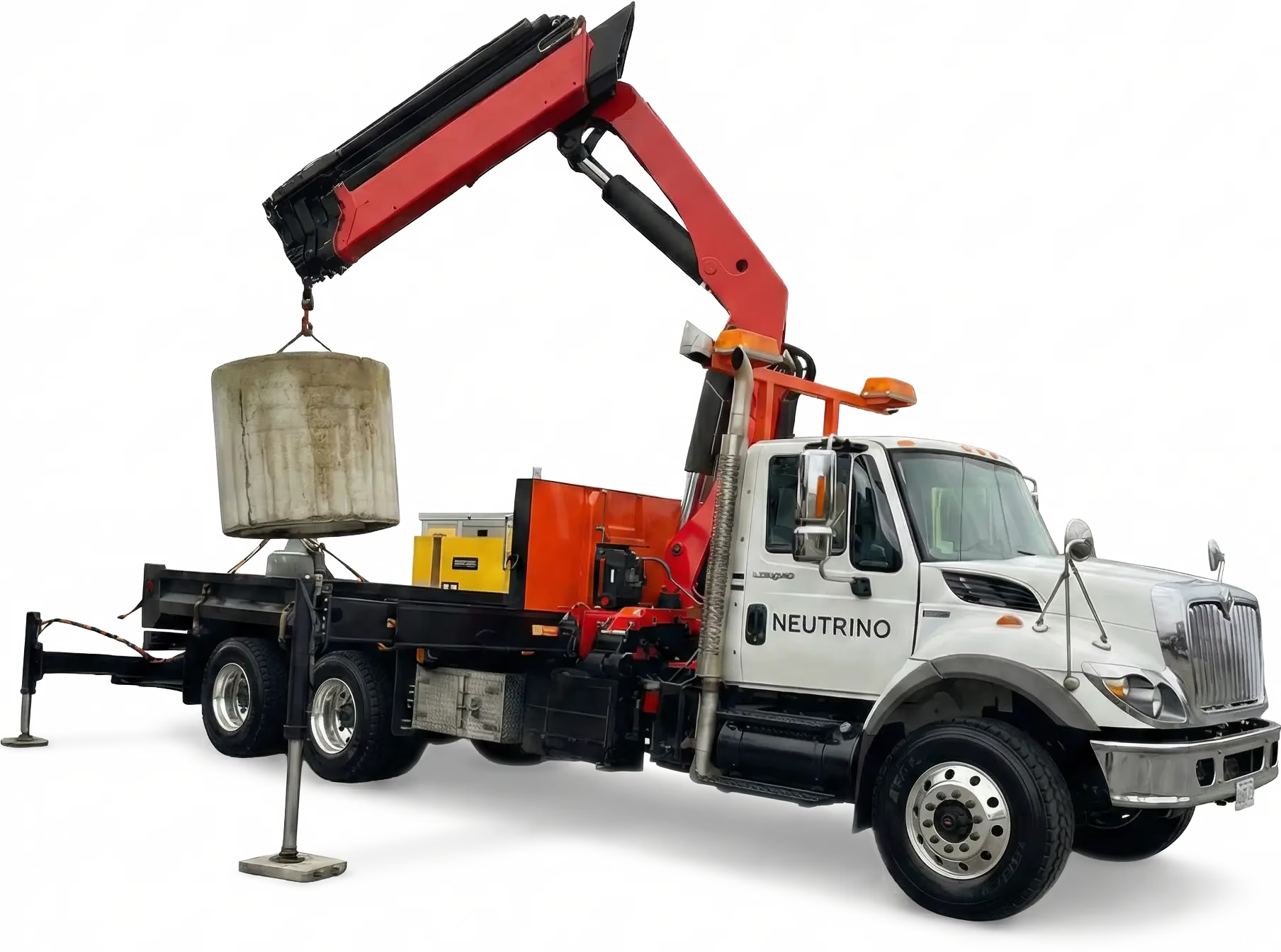
- Footing and basement excavation with controlled spoil placement
- Septic tank and treatment vessel sets on prepared bedding
- Cistern or fire tank placement where rural servicing requires it
- Lane protection so concrete, lumber, and inspection traffic can continue
“Constrained rural build day: protect access, excavate the critical seats, set tanks while the crane still has room, then proceed with structure. Reversing that order traps the heavy pieces behind the house.”
Tank lifts on conservation-constrained lots
In Campbellville, schedule tank delivery when the excavation is ready and before framing eats the swing radius. Treatment vessels and large septic tanks need level, well-bedded excavations. High groundwater or shallow rock can force design conversations before the truck is dispatched, not after it is idling on Guelph Line.
Soft dig can still appear when existing services must be exposed near a renovation. For new rural builds, success still hangs on excavation quality plus heavy-lift discipline.
Build the seat, place the vessel, keep the lot usable
Successful Campbellville builds treat dirt work as design execution. Elevations match the septic design. Tanks land true. Access survives for the next phase. That is how conservation-constrained lots get finished homes instead of unfinished stories about stuck trucks.
If you are planning a build, bring excavation and lift logistics into the pre-construction meeting with the same seriousness as kitchen selections. The Escarpment edge rewards that habit.
Common Questions
Why are Campbellville rural builds a geometry problem first?
Conservation setbacks, tree canopies, long soft access, and septic envelopes leave little room for improvisation. Pads and tank paths must be designed before equipment day.
What should be assessed before excavating on a conservation-constrained Campbellville lot?
Access bearing, spoil storage, overhead wires, neighbour and setback limits, well and septic locations, and whether soft dig is needed near existing plant.
Can pad excavation be combined with septic or treatment tank lifts?
Yes when sequenced correctly: build the seat, protect access, then place the vessel under a controlled lift plan.
Do tight rural clearances prevent heavy lifts in Campbellville?
Not always. Many lots work with careful equipment selection and path surveys. Some need temporary matting, tree protection, or alternate pick points.
When should lift and excavation join the design conversation?
Before finalizing pad location and driveway geometry. Late changes on constrained lots are expensive.
Are residential estate builds in scope as well as agricultural tanks?
Yes. Estate septic sets, cisterns, and related vessels are common; agricultural and light commercial tanks are evaluated by weight and access.
Why set tanks before framing eats the swing radius?
Once structure and scaffolding fill the yard, crane geometry disappears. Schedule tank delivery when the excavation is ready and the air is still open.
Services That Help in Campbellville
Request a QuoteMore Local Guides
Private Wells on Campbellville Escarpment Estates
How estate-lot private wells work around Campbellville when only a tiny pocket has municipal supply and most homes stay on their own water.
Industrial Pads and Tank Sets Near the 401
How excavation and heavy-lift tank work support Milton industrial and logistics pads on employment lands near Highway 401.
Septic Tanks and Treatment Vessel Lifts in Rockwood
How heavy-lift tank work places septic and treatment vessels on Rockwood village and rural lots without wrecking access or setbacks.
Working in Campbellville?
Based in Acton, we run trenchless, excavation, and utility crews across Halton Hills, Milton, Guelph, and nearby towns. Tell us what is underground (or what should be).