Wellhead Protection and Careful Utility Digs
How WHPAs, groundwater vs lake-fed regimes, and soft dig practices shape safe utility excavation across Halton Hills.
By Neutrino Construction ·
Two water stories in one town
Halton Hills runs on more than one water story. Acton remains fully on municipal groundwater. Georgetown historically depended on Lindsay Court, Princess Anne, and Cedarvale well fields, with parts of South Georgetown transitioning onto Halton's lake-based distribution to unlock growth capacity. That split matters when you dig: Wellhead Protection Areas (including quantity zones) restrict fluids, fuel storage, and open holes near municipal aquifers in ways a lake-fed suburb rarely faces.
Rural private-well densification on the fringe adds a second layer. Neighbour interference risk is real if bore pits, trenches, or fuel cans sit carelessly upslope of someone else's casing. Soft dig and disciplined plumbing practices are how competent crews keep a utility repair from becoming a source-water incident.
What careful excavation looks like near protected wells
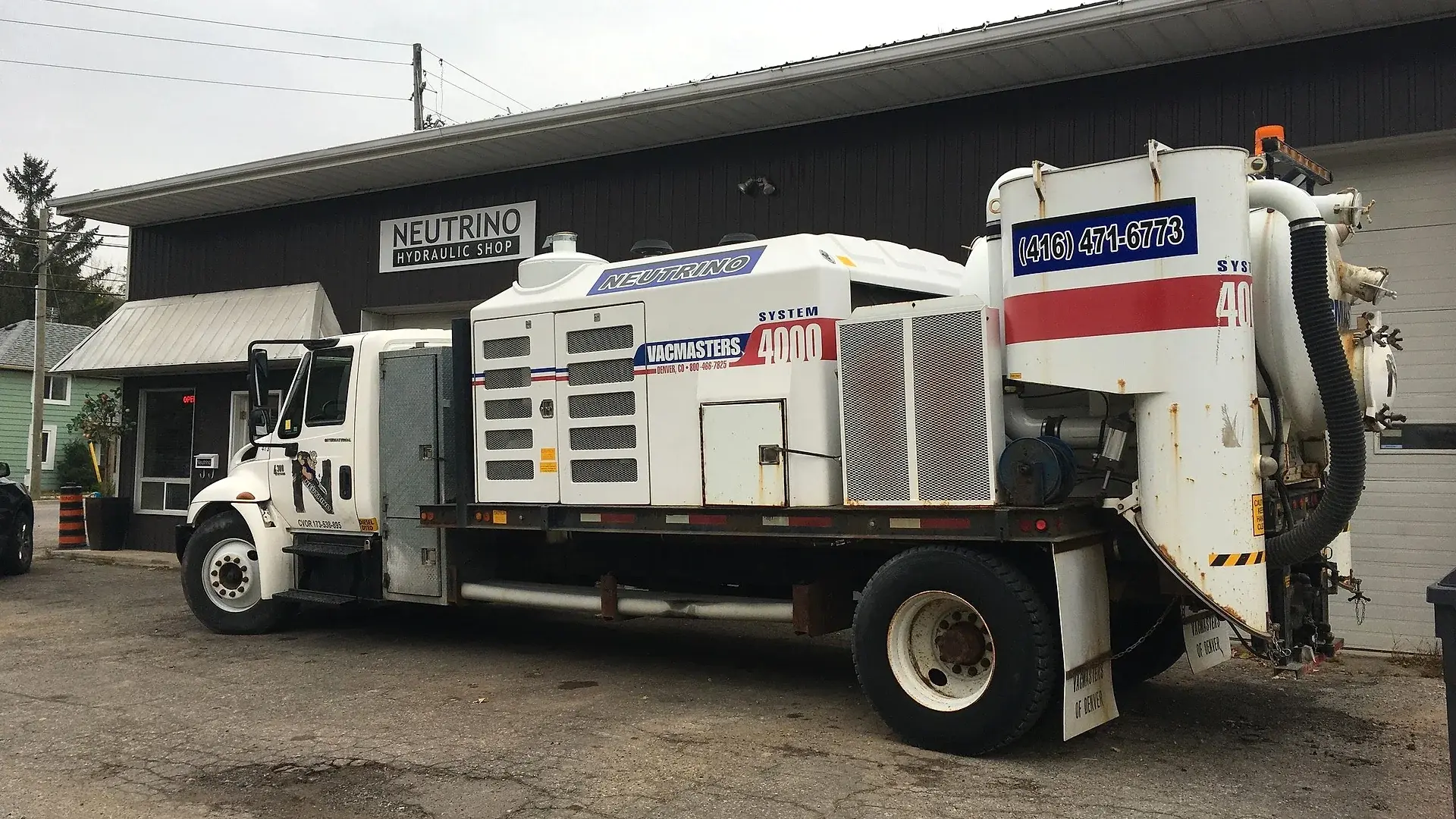
Digs inside or near a WHPA start with the protection mapping and any municipal conditions before machines roll. Prefer vacuum excavation for daylighting so you are not carving unknown pathways with a tooth. Keep fuels, hydraulic oils, and drill fluids in secondary containment. Limit open excavation time and restore grades so runoff does not short-circuit into a shallow fracture system.

- Daylighting services and mains before mechanical repair near Acton and Georgetown well fields
- Exposing private well casings and pitless adapters without wrecking the annular seal zone
- Spoils and slurry management away from ditches that feed Silver Creek, Black Creek, or Sixteen Mile headwaters
- Plumbing repairs that restore joints without leaving a porous backfill chimney to the surface
“Near Halton Hills municipal wells, treat every hole like it could talk to the aquifer, because in fractured dolostone country sometimes it can.”
Groundwater vs lake-fed: why method choice changes
On lake-fed streets, the biggest dig risks are usually traffic, existing plant, and pavement restore. Near groundwater sources, you add contamination pathways, chemical handling rules, and neighbour well complaints to the list. On site that means surface drainage toward casings, old abandoned services that act as conduits, and whether the proposed trench depth intersects weathered rock.
Groundwater
Acton supply
Wells + lake feed
Georgetown mix
Soft dig first
Default dig tool
Private plumbing work (service repairs, well head work, meter pits) still has to respect the same map. The pipe fix is only half the job if the excavation method undermines the protection the wellhead program is trying to keep.
When to insist on soft dig and tight plumbing restores
Insist on vacuum first when the dig is inside a mapped WHPA, within a conservation or creek buffer that drains toward a well field, or on a private lot where the only drinking water is a casing twenty metres away. Use careful plumbing practices for joint quality and backfill so the repair does not become a vertical drain.
Long trenchless crossings have their own fluid rules near aquifers. For short exposures and service repairs, hydrovac plus disciplined plumbing is usually enough: small pit, known plant, clean restore.
Common Questions
What is a wellhead protection area (WHPA) and why does it matter for digs in Halton Hills?
WHPAs are mapped zones around municipal wells where land use and excavation practices are managed to protect drinking water. Careless open-cut or fluid mismanagement near those zones raises source-water risk compared with controlled soft dig and tight restores.
Why does Halton Hills have different water and dig risks in different areas?
Acton stays on constrained municipal groundwater while Georgetown growth areas hybridize toward lake-based supply. Method choice, wellhead protection, and restore standards can differ by which water story your site sits on.
When should contractors insist on hydrovac near Halton Hills well fields?
When work sits inside or near mapped protection areas, creek buffers, or congested plant where a strike or uncontrolled trench could affect groundwater pathways. Soft dig exposes only what is needed.
Does soft dig replace Ontario One Call near wellhead areas?
No. Locates remain mandatory. Hydrovac confirms depth and position at grade after legal marks are in place.
How do plumbing restores differ when source protection is a concern?
Repairs should stay targeted, spoils and fluids managed carefully, and surfaces restored promptly so temporary openings do not become long-term pathways or traffic hazards near sensitive corridors.
Can residential lateral repairs still use open cut outside WHPAs?
Yes when locates are clear, plant is simple, and surface restoration is acceptable. Choose method by risk, not vacuum-only ideology on every lot.
What fluids and spoils rules matter near municipal wells?
Drilling fluids, hydrovac slurry, and open-hole time need tighter control near aquifers and mapped protection zones so temporary digs do not create preferential pathways into source water.
Services That Help in Halton Hills
Request a QuoteMore Local Guides
HDD in Halton Hills: Faster Restores, Less Digging
How horizontal directional drilling fits Halton Hills Escarpment geology and three job surfaces without open-cut chaos on arterials.
Private Wells on Campbellville Escarpment Estates
How estate-lot private wells work around Campbellville when only a tiny pocket has municipal supply and most homes stay on their own water.
Rural Erin Wells While Villages Connect to Sewer
Why most rural Erin properties still rely on private wells and septics while village areas sewerize, and how to keep systems reliable.
Working in Halton Hills?
Based in Acton, we run trenchless, excavation, and utility crews across Halton Hills, Milton, Guelph, and nearby towns. Tell us what is underground (or what should be).